Browsing Category

Healthier Lifestyle Tips

Evidence-Based Health-Improving Tips That Count!

If you are somebody who is ready to boost their health and well-being, you might start by going online and finding as many facts as you can about how to make sure that you feel healthier on the inside and look more beneficial on the outside. The problem is that the Internet is packed with charlatans. It’s a sad thing to say, but there are people out there who like to make money on health advice when they are not qualified to give communicated health advice. There are plenty of natural and home remedies to choose from to boost your health or well-being, but when it comes to knowing what’s healthy, you need to look at the evidence. If every single time you find a fact that helps you with your health you are confused and feel that it will conflict, then you’re not wrong. 

One expert will tell you not to eat red meat, whereas another expert will tell you to only have a certain amount of red meat. One expert will tell you not to drink milk, whereas another expert will tell you all the benefits of dairy in your diet. With the help of evidence-based facts, you can learn what hydrogen peroxide therapy can do for you. You can learn which vitamins your body needs the most, and you can learn how you can conduct yourself so that you stay as healthy as possible. Qualified experts may hold opposing opinions, so we’ve put together a list of evidence-based health-improving tips that will really count for you when you are looking to improve your health and wellness.

Image source
  • Start limiting how much sugar you drink. We all know we shouldn’t eat much sugar, but how much of it we consume can be a problem. Sugary drinks such as sodas and fruit juices can add unnecessary sugar to your diet and you can lose track. It’s not just calories here, but too much sugar can lead to the development of heart disease or type 2 Diabetes. They also have the potential to add more weight to your body, which can make you feel worse about yourself while endangering your health. Choose water first, unsweetened drinks second and if you do choose sugary drinks, keep them in moderation.
  • Sprinkle some seeds. We’re not just feeding birds here, but you may find that nuts and seeds added to your diet could really change your health. You’re not a bird but you can still benefit from nuts and seeds sprinkled on your oats in the morning! Nuts can help you lose weight and you’ll find that nuts and seeds will be packed with fiber, protein, vitamins, and minerals you can’t always get elsewhere. You’ll add all this goodness to your body, enabling you to hold back heart disease and lower your stroke risk. 
  • Start scratch cooking. If you haven’t already, the time is now to learn to cook from scratch. One of the best evidence-based health-improving tips is that of ensuring that you are eating fewer processed foods and sticking to whole foods. Processed foods are delicious – we won’t lie – but they’re packed with refined oils, salts, and preservatives that you can really do well to avoid. 
  • It’s okay to drink coffee! Did you know that coffee has a controversy over it? You can still enjoy coffee in moderation and you’ll find that coffee is packed with health benefits you’ll be sure to enjoy. It’s packed with antioxidants and it’s proven to have a reduced risk of type 2 diabetes and even Alzheimer’s disease. Coffee has caffeine, sure, but this is where the moderation part comes into play. If you’re enjoying creamy and sugary coffees four times a day, that probably won’t be the best thing for you. However, keeping your intake to fewer than four cups a day will help.
  • Start gaining a taste for fatty fish. Omega-3 fats are in abundance in some fish, and studies have shown that those who regularly eat fish can lower Dementia, IBD, and Heart Disease. You can also ensure that you are gaining some high-quality protein in your diet because of the fatty fish you consume.
Image Source
  • Get as much sleep as you’re able to. Poor sleep can drive things like insulin resistance, and it can disrupt your appetite hormones. Not only that, but with poor sleep you will reduce your physical and mental performance which makes you feel sluggish and grotty every day. If you don’t get enough sleep, you are also more likely to make poor choices around your food because you are craving an energy hit from sugar or fat. This can lead to unwanted weight gain.
  • Feed yourself the healthy bacteria. Not all bacteria are
  • bad, but one evidence-based health-improving tip you need is to feed your gut healthy bacteria. Your gut microbiome is important for your overall health, and knowing that you have healthy bacteria in the gut will help you avoid chronic disease and will also help you to avoid obesity. A good way to improve it is to include things like fermented foods such as sauerkraut and yogurt. You could even take probiotic supplements and eat plenty of fiber.
  • Start drinking more water. Hydration is so important as, as the evidence proves, when you are well hydrated, your body can function better, heal faster, and make you feel less sluggish. Drinking water is the best option for hydration. There is no set amount that people need per day, but you should aim to drink enough so that you are adequately quenched of your thirst. 

Evidence-based health-improving tips such as these ones will help you to feel healthier for longer. You can avoid overeating, weight gain, and chronic diseases when you look and ensure that the facts that you are reading are coming from professionals. Looking after your health should be a priority of yours.

7 Ways To Protect Aging Skin

Seniors experience more skin issues because of their age. In fact, research indicates that approximately 75.7% of seniors aged 70 and above have at least one skin condition requiring treatment. The older you get, the more your skin changes, making it prone to diseases. That’s because the organ is less oily, thinner, and less elastic. It also bruises a lot easier and takes longer to heal. Various medications can also adversely affect skin health. But there’s good news if you’re a senior. Despite these issues, it’s possible to keep your skin healthy and glowing regardless of age. The following tips will help you protect and preserve your or your aged loved one’s skin and keep it looking healthy. 

Use a humidifier in your home

Image credit 

Put a humidifier in your home to help add some moisture to dry indoor air. Optimal air moisture levels can prevent excessive drying of the skin. As indicated earlier, the skin is more prone to drying and dehydration as you age, leading to more wrinkles, fine lines, and irritation. Adding moisture to your indoor air can keep your skin adequately hydrated, improving its suppleness and elasticity. Moreover, it can alleviate discomfort like itching, inflammation, and irritation. Using a humidifier in your home will also help you create a more favorable environment for your body to repair and regenerate. 

Get regular massages

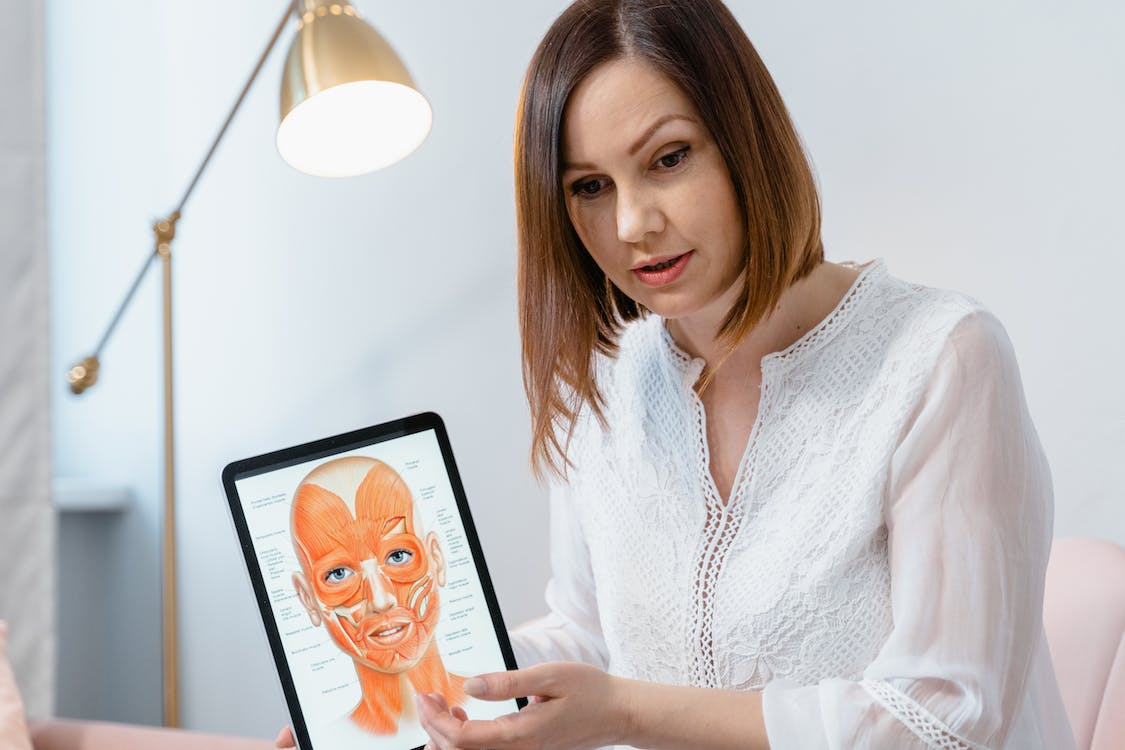
Regular massages can help promote aging skin health by relieving muscle stress and tension. Indeed, muscle tension is common in seniors and does more than affect mobility. Studies show that tension in facial and neck muscles can create wrinkles, similar to what stress does to the skin. Getting a routine massage will be like killing two birds with one stone – keeping your aging skin healthy and easing your stress simultaneously. Consider doing this at least once every week. Better still, start learning how to give a massage if you have a senior at home.

Invest in skin health supplements

Consider investing in skin-health supplements as a valuable addition to your or your aging loved one’s skincare routine. Collegen, vitamins C and E, and omega 3 fatty acids can help compensate for any age-related decline in aging skin, enriching it with the nutrients needed for repair and rejuvenation. Collagen supplements, for example, are known to enhance skin elasticity while reducing the appearance of wrinkles. Supplements containing antioxidants can also help reduce the effect or presence of free radicals and inflammation, slowing down the skin’s aging process. 

Omega 3 is crucial for maintaining skin hydration and preventing dryness. You can also invest in anti-aging and hormone replacement that contain peptides like KPV/BPC-157. These are proven to improve skin healing, treat various inflammatory infections, and improve skin health, among other health benefits. But it’s best to consult your doctor before investing in skin-health supplements, especially if you’re on specific medications. 

Examine your skin regularly

Image credit 

It’s important to pay close attention to your skin at any age, but even more when you’re older. You can visit a dermatologist for a general skin check-up or consider examining yourself at home with the help of a mirror or caregiver. Skin cancers can still occur even with the best use of skin care products, a healthy diet, good sleep, and regular exercise. 

It is estimated that 40-50% of people age 65 will develop at least one skin cancer. While this is more likely to occur in people with lighter skin, those with darker skin are also susceptible. That’s why regular skin examination is important.

Pay close attention to moles and birthmarks during your examination, and look out for any pigmentation changes. When detected early, many skin cancers can’t spread and will only need little treatment beyond removal. You can inspect your body as often as you can, even if it’s daily. But always remember to eat healthy, get enough rest, drink loads of water daily, and get enough sleep to help improve your skin health. They’re still important. 

Wear gloves as often as you can

Yes, you read that right. Wearing gloves is an important way to protect and preserve aging skin. That’s because your hands can dry out, too, especially during winter. Doing this can shield your hands from harsh temperatures and prevent moisture loss. Even in warmer temperatures, gloves are advisable, especially when doing housework and gardening. Working in and around the house can expose your skin to harsh chemicals, sunlight, and other things that can dry out your skin or cause irritation. Gloves can act as a barrier against harmful chemicals found in house cleaning products and gardening materials and can help reduce the risk of skin reactions or allergies.

Avoid hot baths and harsh skin products

Hot baths may feel soothing during cold temperatures, but avoiding them as much as possible is best. Bath with lukewarm water instead, as hot water can dry your already-delicate skin and cause further damage. Also, try to limit your bath time to under ten minutes. Research has shown that daily baths are unnecessary if you’re a senior, as they can do more harm than good. Experts say it’s fine for an elderly person to bathe twice or three times a week (or once, as a minimum). Harsh soaps are also a no-no, as they irritate aging skin. After bathing, use chemical-free body lotion, preferably the ones rich in vitamin E, to help hydrate the skin. 

Don’t forget to see a dermatologist

Image credit 

As mentioned, you can see a dermatologist to help you examine your skin and check for signs of cancer and other skin issues. You can do this at least once a year. But beyond that, it’s important to see your dermatologist for expert advice on the right skincare routine tailored to your unique needs. Doing this is super important if your current skincare routine isn’t improving your skin or you’re struggling with various skin problems. A dermatologist can also address all your skincare issues and answer your questions, so feel free to consider this. 

Friends, what’s your go-to skincare regimen at home? Leave your thoughts below.

What Dental Problems Say About Your Health

Your dental health is an essential aspect of your overall well-being, making it vital to prioritize it. Many people fail to see that their dentition holds so much information about their health. Data indicates that 90% of the adult US population has already developed oral cavities. Apart from helping to keep you healthy, good oral health also helps boost your confidence. This discussion closely examines what some common dental problems say about the rest of your health and what can be done about it.

Tooth sensitivity may be a sign of vitamin deficiency

Image Credit

Tooth sensitivity can be one of your most uncomfortable dental problems. It is often characterized by extreme sensitivity experienced in the affected tooth or teeth when they come in contact with hot or cold foods. The eroding of tooth enamel is primarily responsible for the sensitivity people experience. It may happen as a result of teeth grinding or aggressive brushing. Your tooth sensitivity may also be due to cavities or receding gums you haven’t yet noticed. While these are all signs of your dental woes, another health issue may lurk in the background. Medical research has shown vitamin deficiency can be why you keep experiencing tooth sensitivity. Another reason is acid reflux, which requires seeing a gastroesophageal reflux disease (GERD) specialist to treat the underlying issue. Once that is out, you can see the dentist to attend to your eroded enamel.

Crooked teeth could be a sign of unresolved facial injury

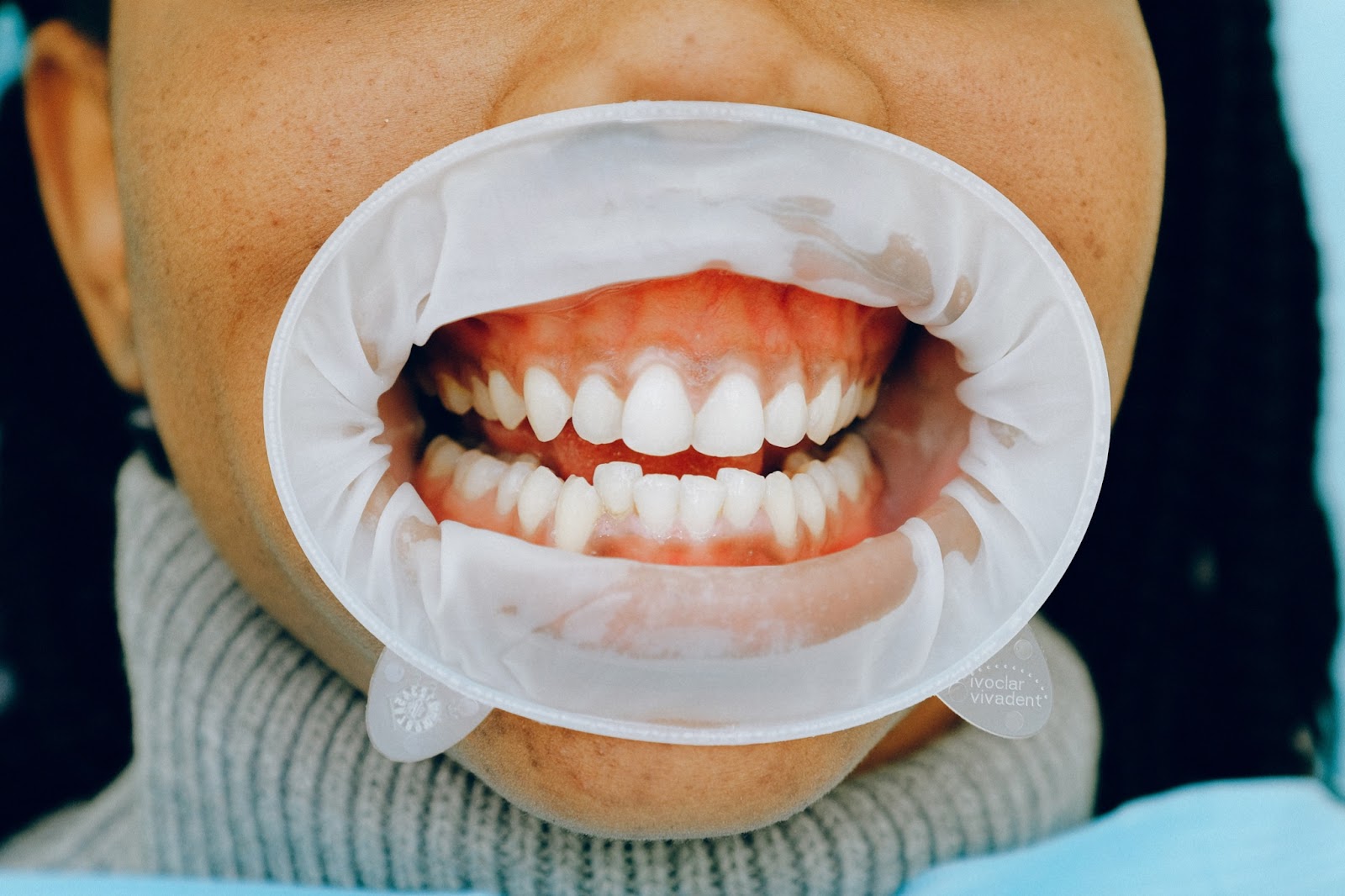
Have you ever received any trauma to the face, such as an accident, but healed and thought nothing of it? Over time, you may notice a gradual misalignment in your dentition. An unresolved facial injury can become a major health problem beyond frequent headaches and jaw pain if you fail to attend to it. Crooked teeth are a significant aesthetic issue for many people, so correcting them can boost confidence immediately. The family orthodontist will be your best bet for such dental corrections. Their specialization makes it possible to attend to more than the appearance of your teeth. An orthodontist will ensure that the underlying cause of your crooked teeth is sorted out and resolved permanently.

Bleeding gums and diabetes, leukemia, or autoimmune disease

Image Credit

Dental problems and diabetes have negative effects on each other. That explains why people with diabetes are advised to take extra care of their oral health to prevent an escalation of the disease. Unfortunately, bleeding gums are common occurrences among people with poor dental health. Sometimes, your gums bleed because you brushed excessively or were too enthusiastic with your flossing routine. That, however, isn’t much to be concerned about because they heal quickly. In sharp contradiction, however, persistent bleeding must be checked thoroughly to rule out any other health issue. Diabetes, Leukemia, and some Autoimmune conditions can damage your gums, so don’t take these signs for granted.

The sooner you see the dentist, the better chance you will have to begin early treatment of an underlying disease.

Friends, how often do you see a dentist or an orthodontist? Leave your thoughts in the comments below.

3 Self-Care Tips After Having A Work Accident

Image Credit: Tumisu from Pixabay.

A workplace injury is an unexpected and often emotional experience. For many people who have one, the road to recovery can be a difficult one. With a few self-care tips after having a workplace accident, however, it could be simpler. They’ll let you look after yourself properly and heal.

Getting medical attention is the most obvious of these, but you can do far more than that. Three top tips can be more than enough to help on the road to recovery. It’s worth using each of them after you’ve been injured at work.

Self-Care Tips After Having A Work Accident: 3 Top Picks

1. Get Enough Rest

As mentioned above, you’ll need to see a medical professional after you’ve been injured at work. While you could need various treatments based on your injury, one of the more notable things you’ll need to do when recovering is rest. Your body could need much more of this than it otherwise normally would.

Make sure you give it that, and you’ll find yourself recovering from your injuries much faster. At a minimum, you shouldn’t have to worry about making them worse through too much physical exertion. With time, and your doctor’s help, you’ll have no problem getting better.

2. Look After Your Emotions

Being injured can be an emotional experience, no matter whether or not it happens at work. You’ll need to look after the emotions you’re feeling in the wake of the accident. Depending on the severity of the incident, you could end up feeling depressed and anxious.

That’s natural and not something to be embarrassed about. You can help look after your emotions in various ways, including:

  • Spending time with loved ones
  • Getting help from a professional
  • Being patient with your recovery

With a little time and work, you shouldn’t have a problem looking after your emotions after you’ve been injured at work.

3. See An Attorney

You could end up with significant medical costs after a work accident, and you mightn’t be able to afford these. What you mightn’t realize is you could be due compensation from your employer to cover these. You might even be due extra compensation on top of this. It’s worth making sure you get this when you’re eligible.

With a worker’s compensation or slip-and-fall lawyer, such as Barrios Virguez Attorneys, you can do exactly that. With that, you shouldn’t have to worry about getting any financial compensation you should be due.

Self-Care Tips After Having A Work Accident: Wrapping Up

A workplace accident can be a traumatizing experience for quite a few people. Not only do they need to work through the physical injuries, but also the emotional toll it can have. Then there’s the financial side you might need to look after. You shouldn’t have to struggle as much as you’d think with this.

Looking after your emotions, getting enough rest, and seeing an attorney are all notable areas to look after. They’ll get you on the road to recovery much better than you’d think.

The Key To Getting Fitter? A Robust Sense Of Self-Worth

Pexels – CC0 License

Statistics suggest that dog owners are more likely to complete a course of antibiotic treatment for their pets than the average person will for themselves. This shows that sometimes, it’s easier to care for others before yourself. We need only see this in the lifestyle of someone who has a messy bedroom but still cares to water their plants, or parents who do everything for their children but often neglect themselves in the process.

When we feel responsible for another, we often recognize that importance and seek a lifestyle that honors it. However, it’s also true that sometimes, we need to turn that focus on ourselves. If you’ve had trouble with your weight, haven’t exercised in a while, or feel like you’re not worth getting in shape, then this is the first thing to address before you take a step outside.

That said, you can learn both in tandem. The key to getting fitter is a robust sense of self-worth, and in this post, we’ll discuss how to achieve that more readily:

General Improvement, Rather Than Spot Changes

When we lack self-worth, we often look to issues that we hope to “fix” about ourselves in order to feel good. But focusing on that can often steal the truth of the matter – that we’re inherently worthy no matter what temporary insecurities we might have.

For example – is it healthier to visit the gym, hike, or run your local trail because you want to get rid of your “fat” thighs, or to lessen your “love handles?” Or is it healthier to fall in love with running, how it makes you feel, and how after every two weeks you’re much fitter and your heart rate is reduced? 

After all, the latter doesn’t exclude the former. As you get fitter, you’ll slowly lose weight if you match that up with a healthy diet, offering enough nutrition and the right calorie deficit to stay healthy and lose weight. Not only do you achieve all of that eventually, but when you do, you won’t feel a sense of improved worth because of that arbitrary difference. Instead, the approach towards self-mastery and passion for the discipline you’re into has helped you grow into a new and better person. As you can see, a slight refocusing and attitude adjustment is all you need to thrive once more.

Knowing Your Capabilities & Current Limits

It’s important to know what your limits and capabilities are because then you can get fitter within those limits and not worry about “underachieving.” For example, if you haven’t exercised in years and you’re a little overweight, it’s perfectly okay to enjoy a walk in the park with your pet as your main form of exercise.

Keep it simple and basic. Walking is great exercise, and very healthy. Over time, this could help you look to the future with a sense of calm consideration, knowing that you’re making step-by-step progress to feel better and become adapted on a cardiovascular level.

Next, perhaps you’ll try a couch-to-5k running program that mediates periods of running and walking so you can slowly get used to it again. But make sure you warm up correctly and stretch after running too. This way, you can make sure your body settles in.

There’s nothing more limiting than being injured or feeling artificially limited by a goal you’re not “good enough” to reach yet. But don’t worry that will come with steadfast and careful effort. You’ll be quite amazed how well, in fact.

When you have a clear idea of yourself, you’ll naturally build self-worth and confidence as you improve yourself too. This is because you begin to define yourself as someone worth helping, which is what you’re doing. As above with our watering plant example, you can see how much self-directed care helps you thrive.

Fall In Love With The Process

It’s always a lovely idea to fall in love with the process of whatever helps you feel in shape. So for example, you may love painting landscapes outside, carrying your easel and watercolors to the local park, and hiking around a little. This is a craft that allows for exercise and helps you feel a better sense of connection to the outside world. It also helps you lessen your screen time.

In addition to that, falling in love with the process may help you improve in more than one area, improving self-worth in the best way. Perhaps you’ve always loved acting but have felt a little worried about getting out there and trying it. Joining a local amateur dramatics club not only helps you get exercise by acting on stage back and forth, but by expressing yourself, learning to speak clearly from a stage, and having fun with others as you interpret certain plays.

This way, you don’t have to feel obligated to throw yourself out of bed and into the gym by a certain time – your self-regard and natural sense of healthy development comes from a practice you’d do at a moment’s notice anyway. It’s hard not to see your self-regard develop within that kind of space.

Note Your Achievements, But Don’t Over-Measure Them

It’s important to celebrate the small wins, but don’t over-measure them. For example, you don’t have to weigh yourself every single day, simply once every week or two can be enough. This way, you can track your overall trends without limiting your sense of well-being.

This is because fitness isn’t a linear process of constant improvement. You’ll have off days, you’ll feel tired some mornings, you might not lose as much weight as you wanted or you may have put on a few hundred grams without realizing it. That’s why it’s helpful to look at overall trends and see how far you’ve come, rather than deciding if you’re good enough that week by how incrementally you’ve changed. This is why it’s so healthy to eat and exercise while taking time to listen to your body, as opposed to forcing results.

With this advice, you’re sure to get fitter with a developing sense of self-worth vital to that output.

3 Reasons To Never Skip Lunch

It’s easy to skip lunch, especially if you have managed to have breakfast, so you’re not as hungry as you would be if you hadn’t already eaten. Sometimes it can just feel like the best thing to do, whether that’s because you’re busy and need to get lots done or because you feel you want to lose some weight, so you don’t want to eat as much. However, the reality is that skipping lunch is never a good idea if you can help it. Read on to find out why. 

Photo by fauxels

Energy Boost 

The food you eat does a number of different things for your body and mind, and one thing in particular that most people will find extremely useful is that it boosts your energy. When you eat healthy food, you’ll find you become more alert and awake, you’re more energized, and you can get a lot more done – you’re more productive. This is great because it means that after lunch, your afternoon becomes much more efficient; you can get all your work done and have time for yourself as well. 

Skipping lunch means you’ll miss this extra energy boost, so anything you have to do will usually take a long longer. It’s far better to take the time to eat your lunch than to skip it and take longer to do your work.

Promotes Weight Loss 

There is a certain logic that comes with the idea that, if you want to lose weight, you should not eat. It makes sense with that in mind to skip lunch – the fewer calories you consume, the more weight you’ll lose. 

The interesting thing is that this is not correct. When you skip a meal, your body will go into ‘starvation mode’. It doesn’t know when it will next get the nutrients it needs, so when you do eat again, perhaps for dinner, for example, your body will retain a lot of the food you’re eating as fat, rather than turning it into energy. This means it has a reserve in case it has to starve again. In other words, skipping meals can make you put weight on, not lose it. 

When you make yourself a healthy, vegan lunch, you can be sure of getting all the nutrients you need at the right time, and it’s the healthy food rather than a lack of food that will boost your weight loss goals. 

Fosters Social Connections 

When you have lunch with other people, it gives you a chance to make some important social connections, and these are crucial for your mental health. Humans are, at their heart, social creatures, and being alone all the time can be damaging – it can lead to stress, anxiety, and depression. Even if you are introverted, taking a little time to be with others each day is important, and you’ll usually feel good afterward. 

By having lunch and, vitally, having lunch with others, you can de-stress and unwind while you’re enjoying your food and get the health benefits from both of these things. Even if you only eat with others once a week, that’s still a great thing to do.

Supporting A Friend With An Addiction

Having a friend suffering from an addiction can be a difficult and emotional time. Helping your friend get the support they need can be a challenge, and it can be a real test of your friendship. 

It’s also difficult territory to navigate if you haven’t experienced anything like this before. Being there to support your friend is important, but you also need to take care of yourself during this difficult time. Take a look at some of the ways you can support a friend with addiction and help them heal.

Image Credit: Unsplash under Creative Commons

Support them in getting the help they need

It’s normal to care about your friend and want to help them, but something as delicate as an addiction requires some professional help. Helping your friend get the help they need will be a crucial step in their recovery, so whether they need alcohol rehab or support for drug abuse, you can help them find a facility or treatment program that can help. You may need to enlist other friends and family to encourage your friend to get the help they need.

Be there to listen

This is going to be a difficult time for your friend, and while you might have your own feelings about their situation or have been impacted by some of their negative behaviors, giving your support and being there to listen is what’s most important right now. Try to reserve judgment and, instead, be there to offer the emotional support they need right now. 

Avoid enabling behaviors, and focus on healthy ones

As your friend undergoes the recovery process, your friendship may change a little – especially some of the activities you might have done together, like going for a drink. It’s important that you avoid enabling behaviors that could impact their recovery, and instead, try to focus on healthy behaviors and activities as well. There are some great ways you can help someone be healthier, including exercising with them and trying meditation activities together. Why not try working out with them to help them take care of their physical health? This can be a huge support to your friend and gives you some new activities and interests to pursue together.

Educate yourself

Unless you’ve experienced it yourself, you may not know much about addiction. To help you support your friend or loved one, educating yourself about addiction is a good way to get information and develop a better understanding of what they’re going through. Doing this will put you in a better position to give them the support they need, and will help you understand what they need to do to recover, too. 

Coping with addiction is challenging and difficult for sufferers, but having supportive people like you by their side can help them overcome their problems. From being there to listening to helping them get back on their feet, there are a lot of different ways you can support your friend. Remember that it can also be a difficult time for you, so if you need help and support, reach out to someone you can trust or seek professional advice. 

Friends, what is your experience with addiction? Leave your thoughts below.